+86 13392271119
sales@eprochina.com

News
- News
- Product


Editor's note: this article is compiled from third-party industry sources. Product claims quoted herein are those of the brands mentioned and do not represent EPRO's own statements.
Tags: airfryer, airfryeroem, market forecast, digital air fryer, Asia Pacific
【Industry Update】This article is compiled from Persistence Market Research (Report ID: PMRREP34566, February 2026). Original link: https://www.persistencemarketresearch.com/market-research/air-fryer-market.asp
The global air fryer market is projected to reach USD 10.2 billion in 2026 and grow to USD 18.7 billion by 2033, expanding at a CAGR of 9.0% (2026–2033), according to Persistence Market Research (Report ID: PMRREP34566, February 2026). The category continues to outpace many legacy kitchen appliances on the back of rising health consciousness, low-oil cooking demand, and rapid innovation in smart, energy-efficient, and multifunctional devices.
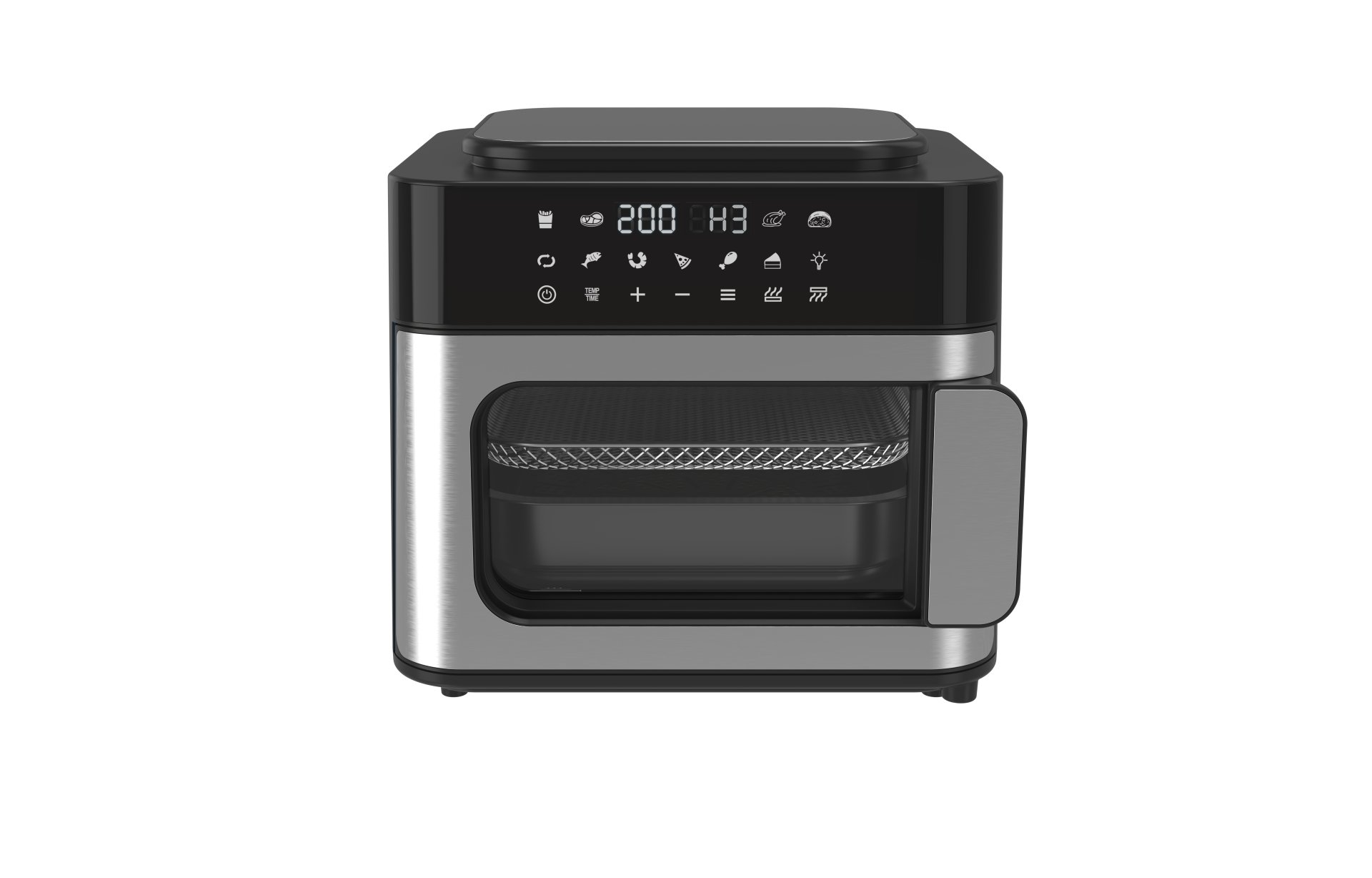
Regionally, North America is expected to lead with a 39% market share in 2026, driven by health-conscious consumers, premium appliance adoption, and demand for convenient, multifunctional units. Asia Pacific is the fastest-growing region, supported by rising disposable incomes, rapid urbanization, growing health awareness, and strong uptake across China, India, Japan, and Southeast Asia — a signal B2B buyers in emerging markets should not ignore. By product type, digital air fryers are set to dominate with 62% of revenue share in 2026, powered by smart features, touchscreen interfaces, preset modes, and automation. Basket-style models lead the model segment with over 54% share, thanks to affordability, compact design, and consistent performance.
Two cautionary notes for OEM/ODM suppliers: first, competition from hybrid multi-cookers (air fry + bake/grill/roast/steam/pressure) is squeezing single-function and entry-level units; second, raw-material volatility (metals, electronics) and supply-chain disruptions (geopolitical, shipping, semiconductor shortages) raise cost and lead-time risk, hitting smaller brands hardest. For EPRO and B2B partners, the takeaway is clear — prioritize digital, basket-style, and multifunctional SKUs, lock certification and logistics early, and diversify across high-growth Asia Pacific corridors. Keep paying attention to EPRO for more latest news about air fryer.



Privacy Policy | Terms of Service



 English